The humble garage door, once a purely utilitarian barrier, is undergoing a profound global transformation. Driven by technological leaps, shifting consumer priorities, and evolving building standards, the sectional garage door market is experiencing robust growth and unprecedented innovation. Industry analysts project the market, valued in the tens of billions USD, to continue its steady climb, fueled by trends emphasizing convenience, security, energy efficiency, and aesthetic integration.
Global Sectional Garage Door Market Surges on Innovation, Smart Tech, and Sustainability Drive
The humble garage door, once a purely utilitarian barrier, is undergoing a profound global transformation. Driven by technological leaps, shifting consumer priorities, and evolving building standards, the sectional garage door market is experiencing robust growth and unprecedented innovation. Industry analysts project the market, valued in the tens of billions USD, to continue its steady climb, fueled by trends emphasizing convenience, security, energy efficiency, and aesthetic integration.
Beyond Basic Function: The Rise of Smart & Connected Doors
The most conspicuous trend is the rapid integration of smart technology. Connectivity is no longer a luxury; it's a baseline expectation for a growing segment of homeowners and commercial property managers globally.
- Seamless Integration: Modern sectional doors effortlessly sync with comprehensive smart home ecosystems (Amazon Alexa, Google Home, Apple HomeKit). Users enjoy remote operation via intuitive smartphone apps, receiving real-time status notifications – whether the door is open, closed, or encountered an obstruction. Geo-fencing features automatically close the door as users drive away.
- Enhanced Security: Smart technology significantly bolsters security. Integrated cameras provide live feeds or triggered recordings upon door movement. Advanced sensors detect forceful entry attempts and trigger immediate alarms and app alerts. Biometric access (fingerprint, facial recognition) and encrypted digital keys are replacing traditional keypads, offering superior access control.
- Predictive Maintenance: Leading manufacturers are embedding diagnostic sensors that monitor motor performance, spring tension, track alignment, and battery health. This data allows for predictive maintenance alerts, preventing inconvenient failures and extending the door system's lifespan. "We're moving from reactive repairs to proactive system health management," notes Sarah Chen, Head of IoT at Hörmann Group. "This reduces downtime and enhances user trust."
Energy Efficiency: A Core Driver in Regulation and Consumer Choice
Heightened environmental awareness and stricter global building codes are pushing energy efficiency to the forefront. Sectional doors, representing a significant thermal weak point in a building's envelope, are a prime focus for improvement.
- Advanced Insulation: Polyurethane (PUR) and polyisocyanurate (PIR) foam cores remain dominant for their superior insulating properties (high R-values). Innovations focus on optimizing foam density and cell structure for maximum thermal resistance with minimal thickness. Composite panels combining steel skins with insulating foam cores offer excellent thermal breaks.
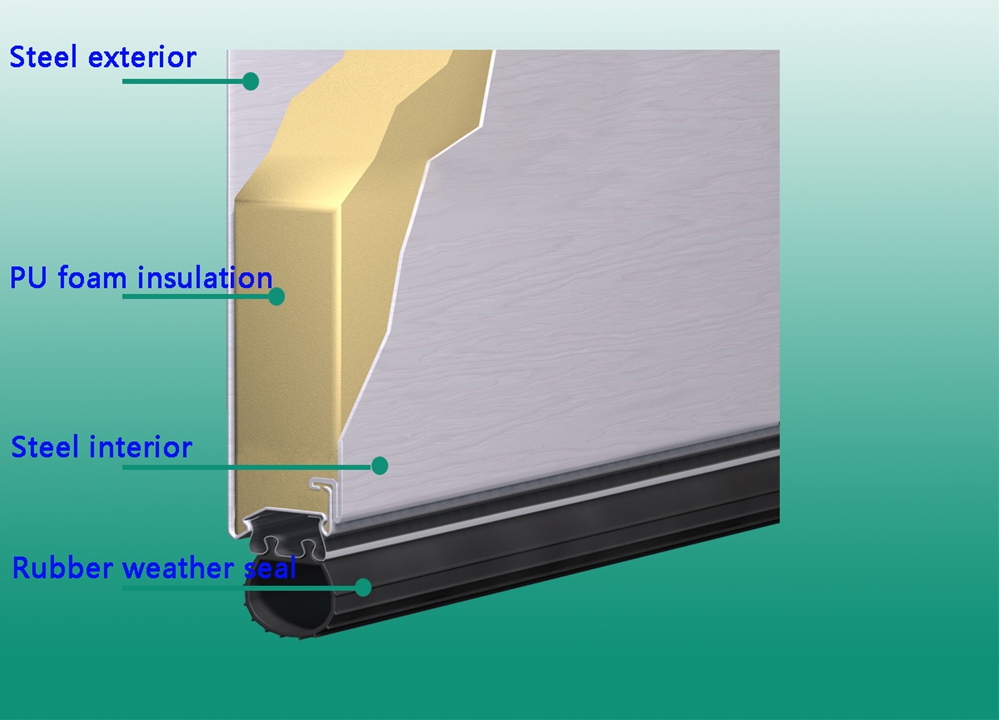
- Thermal Break Technology: Crucial for preventing heat transfer through the door sections, advanced thermal break designs – using specialized insulating materials within the horizontal and vertical section joints – are becoming standard, especially in regions with extreme climates (North America, Northern Europe, parts of Asia).
- Airtight Seals: Triple or quadruple perimeter sealing systems, combined with inter-section seals, drastically reduce air infiltration. This minimizes heat loss in winter and cool air loss in summer, directly impacting heating and cooling costs. "Meeting Passive House standards or stringent EU energy directives now heavily influences door design," explains Markus Weber, Engineering Director at Novoferm. "The seal is as critical as the insulation itself."
Material Innovation: Durability Meets Design
While steel remains the workhorse due to its strength, affordability, and low maintenance, material science is driving diversification:
- Aluminum Ascendancy: Aluminum doors are surging in popularity, particularly for residential applications and modern commercial designs. Advancements in alloy strength and powder-coating technologies have enhanced their durability and resistance to corrosion (especially vital in coastal areas). Their lighter weight reduces strain on openers and allows for larger door sizes. The sleek, contemporary aesthetic is highly sought-after.
- Glass Integration: Full-view glazed sectional doors, utilizing tempered or laminated safety glass within thermally broken aluminum frames, are a major design trend. They flood garages or workshops with natural light and create visually striking facades. Tinted, frosted, or patterned glass options offer privacy.
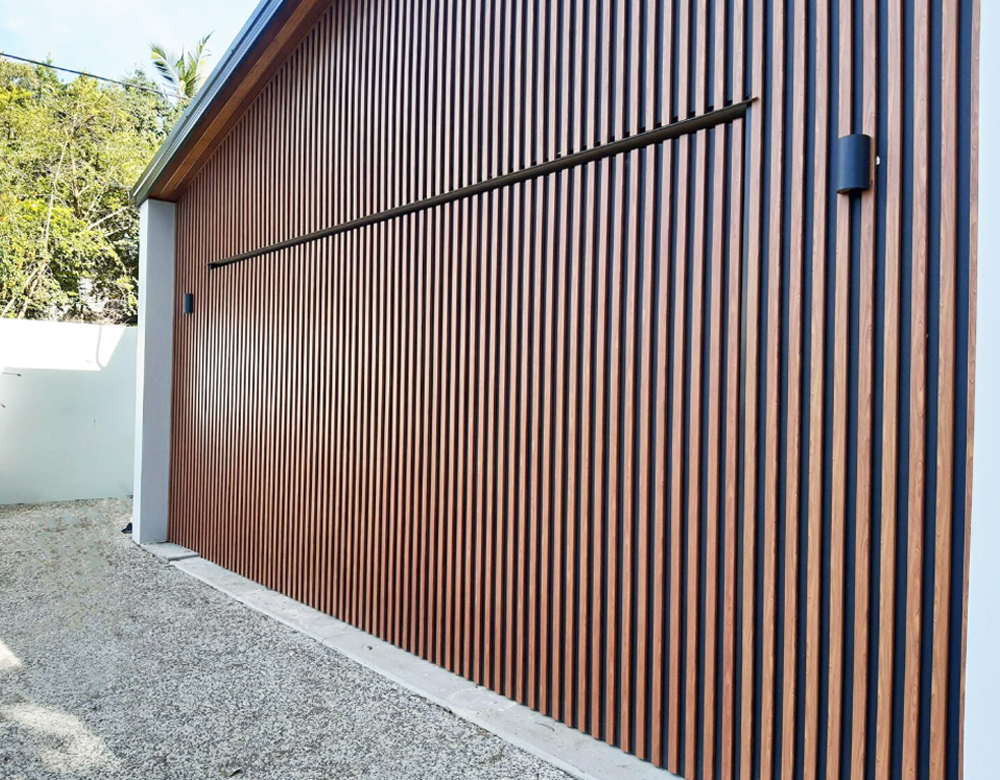
- Wood-Composite & Sustainable Options: Demand for authentic wood aesthetics persists but faces challenges from maintenance and cost. High-fidelity wood composite materials (resins, polymers blended with wood fibers) offer the look without the upkeep. Additionally, manufacturers are increasingly incorporating recycled steel and aluminum and exploring bio-based resins for insulation cores to meet sustainability goals.
Design & Customization: The Door as an Architectural Statement
The garage door is increasingly recognized as integral to a property's curb appeal. This drives demand for extensive customization:
- Color & Finish: Beyond standard whites and browns, vast color palettes, custom color matching, and diverse finishes (matte, satin, gloss, woodgrain textures) are standard offerings. Two-tone designs (different colors inside/out) are gaining traction.
- Panel Design: Flush, long-panel, and short-panel designs cater to diverse architectural styles – from ultra-modern to traditional carriage house looks (often featuring decorative hardware and window inserts).
- Window Integration: Strategically placed windows in various shapes, sizes, and grille patterns add character and light. Smart glass options allowing adjustable opacity are emerging in the premium segment.
Safety & Automation: Non-Negotiable Standards
Safety remains paramount, with regulations continuously evolving:
- Advanced Sensor Systems: Photoelectric sensors (sending an invisible beam across the door opening) are standard. Radar or LiDAR-based sensors are increasingly common, offering superior reliability, especially in challenging lighting conditions or where beam alignment is difficult. These detect even small objects or pets.
- Entrapment Protection: Modern openers incorporate sophisticated algorithms to detect resistance during closing, automatically reversing the door if an obstruction is encountered. Battery backup systems ensure operation during power outages.
- Commercial Demands: In commercial and industrial settings, high-speed, high-cycle doors (often sectional variants) with enhanced safety systems (e.g., pressure-sensitive bottom edges, warning lights) are essential for logistics efficiency and worker safety.
Regional Dynamics & Market Growth
Market growth varies by region but shows consistent upward momentum:
- North America: A mature but still growing market, driven by residential replacement, new construction, and demand for hurricane-resistant doors in coastal zones. Smart home integration and energy efficiency are key drivers.
- Europe: Strict energy efficiency regulations (like the Energy Performance of Buildings Directive - EPBD) are major catalysts. High demand for thermal performance, sophisticated design, and robust security features. Renovation markets are particularly strong.
- Asia-Pacific: The fastest-growing region, fueled by rapid urbanization, massive new residential and commercial construction, and rising disposable incomes. Demand spans from basic functional doors in developing areas to premium smart and design-focused products in metropolitan centers. China, India, Japan, and Australia are key markets.
- Rest of World: Steady growth in Latin America and the Middle East, driven by construction booms and increasing adoption of modern housing standards.
Challenges and the Road Ahead
Despite the optimism, the industry faces headwinds:
- Supply Chain Volatility: Fluctuations in raw material costs (steel, aluminum) and potential component shortages remain concerns.
- Skilled Labor Shortage: Professional installation and maintenance are critical for performance and safety, but finding skilled technicians is a global challenge.
- Cybersecurity: As doors become more connected, robust cybersecurity measures are essential to protect against hacking vulnerabilities.
- Economic Uncertainty: Potential economic slowdowns could impact discretionary spending on premium door upgrades.
Conclusion: A Future of Integration and Intelligence
The global sectional garage door market is far from static. It's a dynamic sector responding to fundamental shifts in how we live, work, and build. The convergence of smart technology, heightened demands for energy conservation, material innovation, and personalized design is reshaping the industry. As homes become smarter and sustainability more critical, the sectional garage door is evolving from a simple access point into an intelligent, efficient, and aesthetically integrated component of the modern built environment. The future points towards even deeper home automation integration, AI-driven predictive capabilities, further advancements in sustainable materials, and continued refinement of safety and security features, ensuring this essential element remains at the forefront of building innovation.
Sources: Industry reports (e.g., Grand View Research, MarketsandMarkets), statements from leading manufacturers (Clopay, Amarr, Hörmann, ASSA ABLOY Entrance Systems, Novoferm, Ryterna), building regulation bodies (EU EPBD, International Energy Conservation Code - IECC).